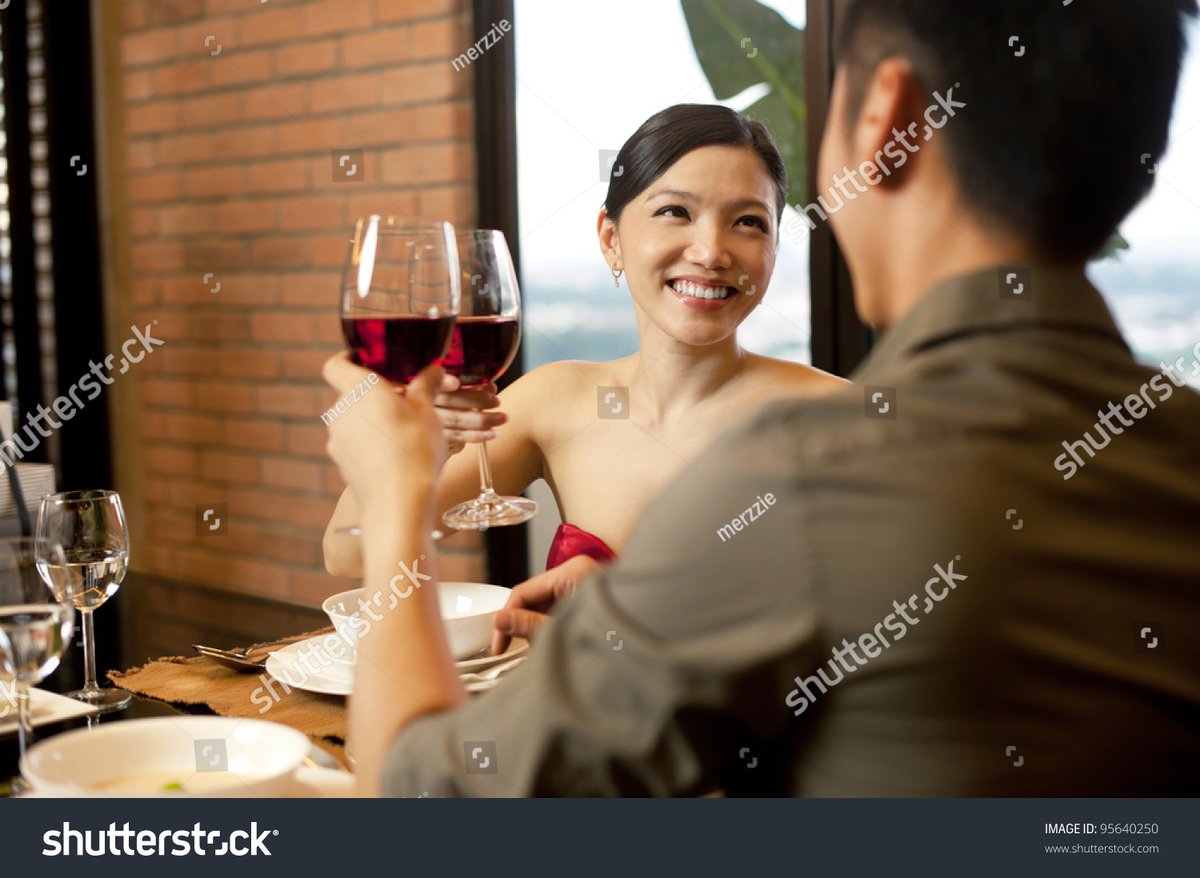
There are meals, and then there are experiences. When you step into the world of Fine Dining & Romantic Restaurants, you're not just satiating hunger; you're embarking on a journey designed to delight every sense, forge deeper connections, and create indelible memories. These establishments transcend mere sustenance, offering a meticulously choreographed ballet of flavors, textures, aromas, and impeccable service that elevates dining to an art form.
Whether you're celebrating a milestone, rekindling a spark, or simply indulging in the exquisite, understanding what sets these culinary sanctuaries apart will help you savor every moment.
At a Glance: What Makes Fine Dining & Romantic Restaurants Special
- Exceptional Cuisine: Innovative dishes, premium ingredients, and masterful culinary techniques.
- Impeccable Service: Attentive, knowledgeable, and discreet staff anticipate your needs.
- Enchanting Ambiance: Thoughtfully designed spaces, lighting, and décor create a specific mood.
- Attention to Detail: From the linen and silverware to the presentation of each plate.
- Exclusivity & Intimacy: Often quieter, more private settings fostering connection.
- Memorable Occasions: Designed to make celebrations and romantic encounters truly special.
More Than a Meal: Defining True Fine Dining
What truly differentiates a fine dining establishment from a conventional restaurant? It’s a holistic commitment to excellence, weaving together superior ingredients, culinary artistry, sophisticated ambiance, and unparalleled service. Think of it as a symphony where every element plays a crucial role in the overall harmony.
Consider Papillon Restaurant, a tranquil haven in Fremont, California, which has quietly delivered elegance and panache for over 40 years. Its longevity is a testament to its unwavering standards. Executive Chef Nittra Foreman, with nearly four decades at the helm, exemplifies the dedication found in top-tier kitchens. Her culinary journey, spanning formal training at Tante Marie and continuing education with luminaries like Traci des Jadin, infuses her Asian background with European methods, resulting in a unique interpretation of contemporary cuisine using quality local ingredients. This commitment to fresh, regional produce and a personalized culinary vision is a hallmark of fine dining.
The essence isn't just in the food itself, but in the entire production. It's the crisp white tablecloths garnished with fresh flowers, the sparkling silverware, and the "gentle attention to detail by wait staff" that ensures you're welcomed graciously and seated quickly. This level of care transforms a dinner into an event.
Crafting the Perfect Romantic Atmosphere
While fine dining sets a high bar for food and service, a truly romantic restaurant elevates the experience further by deliberately fostering intimacy, warmth, and connection. It’s about more than just good food; it’s about creating an environment where hearts can open.
The Pillars of Ambiance
- Lighting: Often dim, warm, and strategically placed to create soft glows and intimate shadows. Candles are a classic choice for a reason.
- Soundscape: A hushed environment, perhaps with soft background music that complements conversation rather than overpowering it. Noise levels are carefully managed to allow for private discussions.
- Seating Arrangements: Tables are spaced generously, offering privacy without feeling isolated. Booths, banquettes, or alcoves are often preferred for their cozy, sequestered feel.
- Décor & Design: Tasteful, often luxurious, and meticulously curated. Think rich textures, elegant art, and a cohesive theme that enhances the mood. Papillon Restaurant’s traditional dining room, with its muted tones, or its atrium, glowing softly in the evening, are prime examples of this intentional design.
- Views & Surroundings: A scenic backdrop can significantly enhance romance. Whether it's a cityscape, a waterfront, or a garden, a beautiful view adds another layer to the dining experience. If you’re planning a special evening, seeking out a location like Newport RI Dining with a View can be truly unforgettable.
Navigating the Nuances: Choosing Your Ideal Restaurant
Selecting the perfect fine dining or romantic restaurant requires a bit of discernment. Here’s how to weigh your options and ensure your experience aligns with your expectations.
1. Consider the Occasion (and Your Guest)
- Anniversary or Proposal: These demand the utmost in romance and exclusivity. Look for places known for their exceptional service and ability to handle special requests.
- First Date: A slightly less formal, but still upscale, bistro might be better than a super-formal establishment to ease potential awkwardness.
- Business Dinner: Focus on places with a sophisticated, professional atmosphere and private dining options.
- Simply Indulging: Choose based on cuisine you love or a new culinary adventure you wish to explore.
2. Dive into the Cuisine and Concept
Fine dining encompasses a vast spectrum of culinary styles. Do you crave classic French gastronomy, innovative molecular cuisine, authentic regional Italian, or perhaps a modern American menu with global influences?
- Classic vs. Contemporary: Do you prefer traditional dishes perfected over generations, or groundbreaking creations that push culinary boundaries? Chef Nittra Foreman's ability to blend Asian background with European methods at Papillon Restaurant offers a taste of contemporary culinary arts rooted in classical techniques.
- Specialties: Some restaurants specialize in seafood, steak, or plant-based fine dining. Knowing your preferences—and your guest’s—is key.
- Tasting Menus vs. À la Carte: Tasting menus offer a curated journey through the chef's vision, often with multiple small courses. À la carte provides more flexibility for individual choices.
3. Evaluate the Service Style
While all fine dining prides itself on service, the style can vary.
- Formal & Discreet: Often found in classic establishments, with highly trained staff who anticipate needs without interruption.
- Warm & Engaging: Some modern fine dining leans towards a more conversational, yet still highly professional, service style.
- Sommelier Expertise: A well-versed sommelier can guide you through the wine list, recommending perfect pairings for your meal and preferences. Don't hesitate to engage them.
4. Understand the Dress Code
Dress codes are an important part of the fine dining experience, contributing to the overall ambiance. While some restaurants are relaxing these traditions, it's always best to check their website or call ahead.
- Black Tie/Formal: Very rare, typically for specific events.
- Jacket Required/Semi-Formal: Common in traditional establishments (e.g., a jacket for men, elegant attire for women).
- Smart Casual: Increasingly common, implying neat, polished attire without being overly formal (e.g., dress pants, collared shirts, dresses, skirts). Jeans are usually discouraged unless specifically noted as acceptable.
5. Location and Accessibility
Consider the convenience of the location, especially if you're planning an evening with cocktails or a late night out. Proximity to your home, a hotel, or other activities can play a role. If you're looking to Top Newport fine dining options, for example, think about how you'll get there and what else you might want to do in the area.
6. Budget Considerations
Fine dining is an investment in an experience. While prices are higher than casual eateries, they reflect the quality of ingredients, labor, and the overall immersive environment. Have an idea of your comfortable spending range, but remember that the value often extends beyond just the monetary cost.
Making a Reservation: Your First Step to an Unforgettable Evening
Securing a table at a sought-after restaurant is often the first, and sometimes most crucial, step.
Timing is Everything
For popular establishments, especially on weekends or holidays, make reservations weeks or even months in advance. Many top-tier restaurants open their booking calendars a specific number of days or weeks out. For popular spots, like when you want to Book Newports Upscale Restaurants for a prime Saturday night, you'll need to be proactive.
Online vs. Phone
- Online Platforms: Many restaurants use booking systems like OpenTable or Resy, offering instant confirmation and convenience.
- Direct Phone Call: For very specific requests (e.g., a quiet corner table, dietary restrictions, or a surprise element), a direct call allows for a personal touch and ensures your needs are fully understood.
Communicate Dietary Needs and Preferences
Always inform the restaurant about any allergies, dietary restrictions (vegetarian, vegan, gluten-free), or strong dislikes at the time of booking. This allows the kitchen to prepare and ensure they can accommodate you without compromising the experience. A truly fine dining establishment will view this as an opportunity to showcase their adaptability and care.
Confirming Your Reservation
It's wise to reconfirm your reservation a day or two before, especially for special occasions. This prevents misunderstandings and demonstrates your commitment.
The Dining Experience: Etiquette and Enjoyment
Once seated, the magic truly begins. While some might find the formality intimidating, a few simple guidelines can help you relax and fully immerse yourself.
Engaging with Your Server
Your server is your guide through the culinary journey. Feel free to ask questions about the menu, ingredients, or preparations. They are there to enhance your experience, not merely to take your order. However, be mindful of their other tables and avoid overly lengthy conversations.
Understanding the Menu
Don't be afraid to ask for clarifications on unfamiliar ingredients or cooking methods. Many fine dining menus feature complex descriptions that are part of the artistic presentation.
- Course Structure: Familiarize yourself with the typical progression: amuse-bouche (a complimentary bite from the chef), appetizer, main course, and dessert. Tasting menus will have their own flow.
- Wine Pairings: If you opt for a wine pairing, trust the sommelier's expertise. They've meticulously selected wines to complement each dish.
Mindful Dining
- Pace Yourself: Fine dining is meant to be savored. Don't rush through courses.
- Table Etiquette: Basic courtesies like keeping elbows off the table, waiting for everyone to be served before starting, and polite conversation go a long way.
- Using Cutlery: Generally, start with the outermost utensil and work your way in with each course. If unsure, observe your fellow diners or discreetly ask your server.
- Phone Etiquette: Keep your phone on silent and avoid using it at the table, especially for prolonged periods. The experience is about connection and immersion, not distraction.
Beyond Dinner: Exploring Fine Dining at Other Times
Fine dining isn't exclusively a nocturnal affair. Many high-end establishments offer equally exquisite experiences during lunch and brunch, providing a different atmosphere and often a more accessible price point. Papillon Restaurant, for instance, welcomes lunch patrons to its ivy-covered glass solarium, where filtered sunlight creates a bright, airy contrast to the evening's soft glow.
- Fine Dining Lunch: Often a slightly condensed version of the dinner menu, perfect for business meetings, leisurely midday dates, or a luxurious break during a day of exploration.
- Elegant Brunch: A delightful option for weekends, combining breakfast and lunch elements with gourmet flair, often accompanied by mimosas or Bloody Marys.
These daytime options can be a fantastic way to experience the quality and service of a fine dining restaurant without the full commitment (or cost) of an evening meal.
Common Myths & Misconceptions About Fine Dining
Let's debunk a few myths that might deter you from experiencing these culinary gems.
Myth 1: "It's too stuffy and formal."
While some establishments maintain a traditional formality, many modern fine dining restaurants are embracing a more relaxed, yet still sophisticated, atmosphere. The goal is elegance, not discomfort. The "gentle attention to detail" at places like Papillon ensures you feel welcomed, not judged.
Myth 2: "The portions are tiny, and I'll leave hungry."
While portion sizes are often smaller than casual restaurants, they are carefully curated to be rich, satisfying, and part of a multi-course experience. You'll likely feel pleasantly full, not stuffed, having enjoyed a variety of flavors.
Myth 3: "It's only for special occasions."
While perfect for celebrations, fine dining can also be an enriching experience for its own sake. Treating yourself or a loved one to a culinary adventure on a regular Tuesday can be just as rewarding as on an anniversary.
Myth 4: "I won't know what to do or how to act."
Don't overthink it. Politeness and respect for the staff and the experience are the most important things. If you have questions, ask. If you're unsure about etiquette, discreetly observe. The staff is there to guide you.
An Investment in Experience and Connection
Choosing a fine dining or romantic restaurant isn't just about selecting a place to eat; it's about investing in an experience designed to be cherished. It's an opportunity to slow down, savor exceptional artistry, and connect deeply with those you share the table with. From the meticulous precision of Executive Chef Nittra Foreman’s kitchen to the tranquil elegance of a softly lit dining room, every element converges to create moments that transcend the ordinary.
Whether you're seeking to ignite romance, celebrate a significant milestone, or simply indulge your senses, the world of fine dining offers unparalleled elegance and the promise of memories that will linger long after the last course is cleared. Embrace the journey, and prepare to be delighted.